Whisk AI Interview — Behind the Scenes | The Real Story of Google’s Most Loved Experimental Tool 2026
Some products fail quietly. Some succeed loudly. And some do something rarer — they fail on their own terms while succeeding at something bigger than themselves.
Google Whisk AI is in that third category.
It ran for sixteen months. It never had a proper marketing campaign. It was never meant to be permanent. It launched out of Google Labs — which is Google’s playground for experimental tools — in December 2024, and ran until April 30, 2026, when it was officially retired. By any standard definition, it’s a discontinued product.
And yet: the workflow it invented — three images in, creative synthesis out — is now baked into Google Flow AI, which over 1.5 billion images and videos have been generated inside. The communities it built are still creating. The creators it attracted are still using the same creative approach, just in a different workspace.
This is the behind-the-scenes story of how Whisk AI came to be, what made it different from every other AI tool Google had ever built, what creators actually said about using it, what happened when it shut down, and what Google learned that shaped everything that came after.
Chapter 1 — Where Whisk Came From: The Google Labs Philosophy
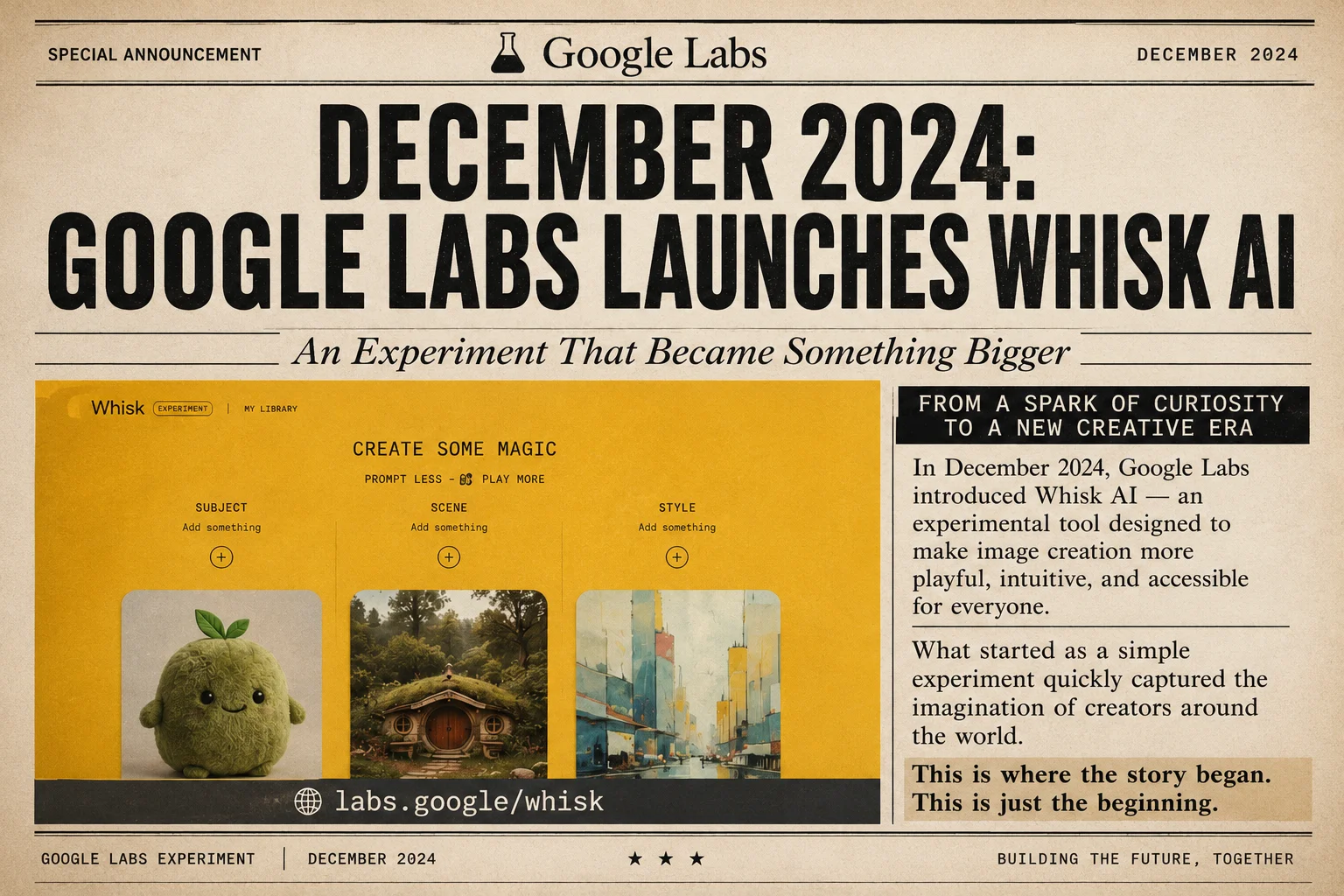
To understand Whisk, you have to start with Google Labs.
Google Labs is where Google’s engineers and researchers take half-formed ideas and release them to real people before those ideas are finished. This is deliberately unusual. Most technology companies spend months or years polishing a product before showing it to users. Google Labs does the opposite — it shows people the rough version, watches what they do with it, and uses their behavior to figure out what the finished version should look like.
Google Labs exists to test ideas. Whisk was one of those ideas.
The specific idea behind Whisk grew out of a question that Google’s research teams had been asking: what if image generation didn’t require knowing how to write prompts? Most AI image tools in late 2024 required users to describe what they wanted in detail — specific vocabulary, technical terms, style references in text form. This created an access barrier. People who knew the “language” of AI prompting got good results. People who didn’t were frustrated.
An AI image generator that uses your images as prompts, blending subject, scene, and style for faster, more intuitive visual creation. Whisk AI allows creators to move quickly from references to fully realized visuals, enabling experimentation with multiple creative directions without starting from scratch.
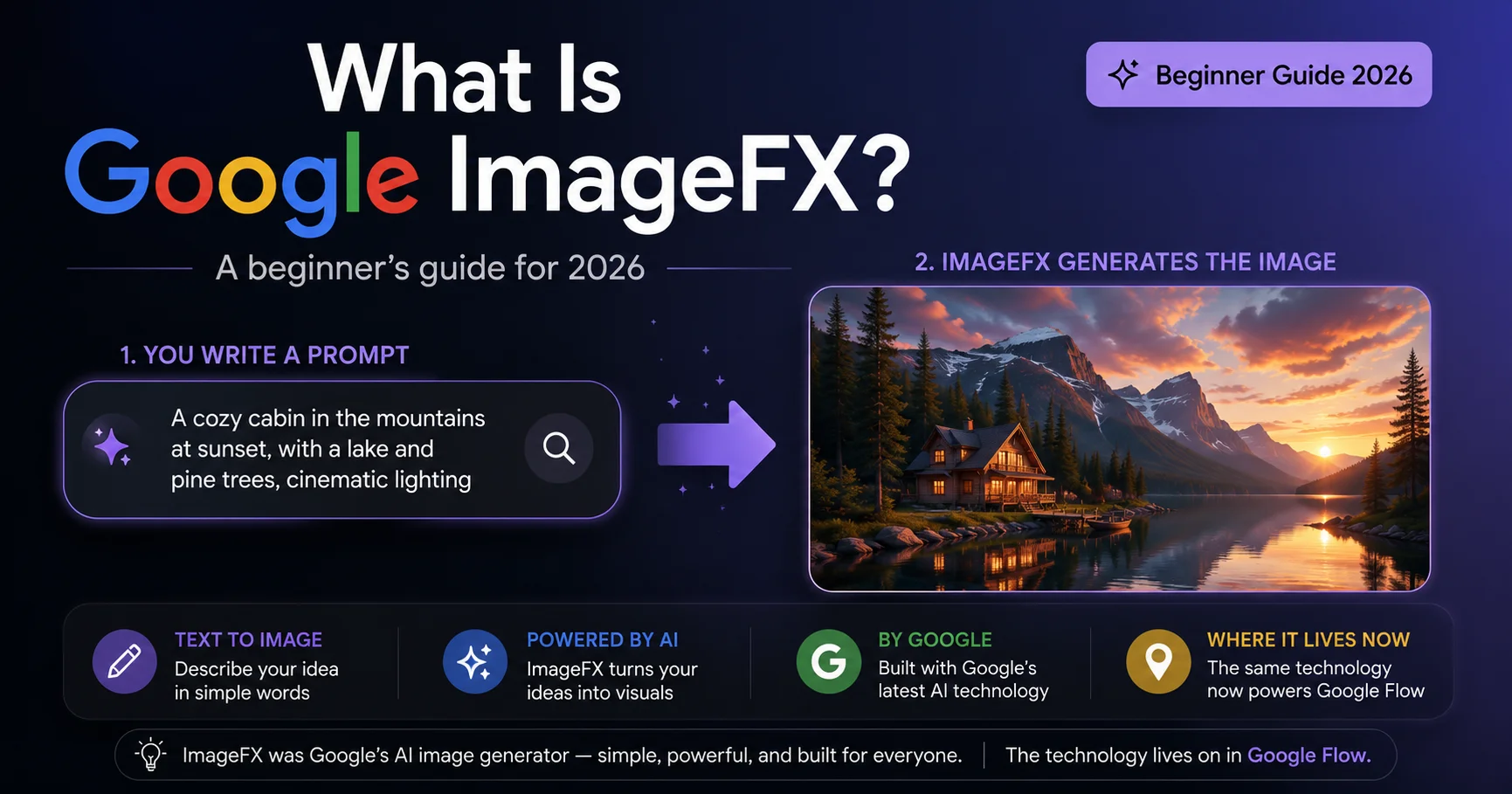
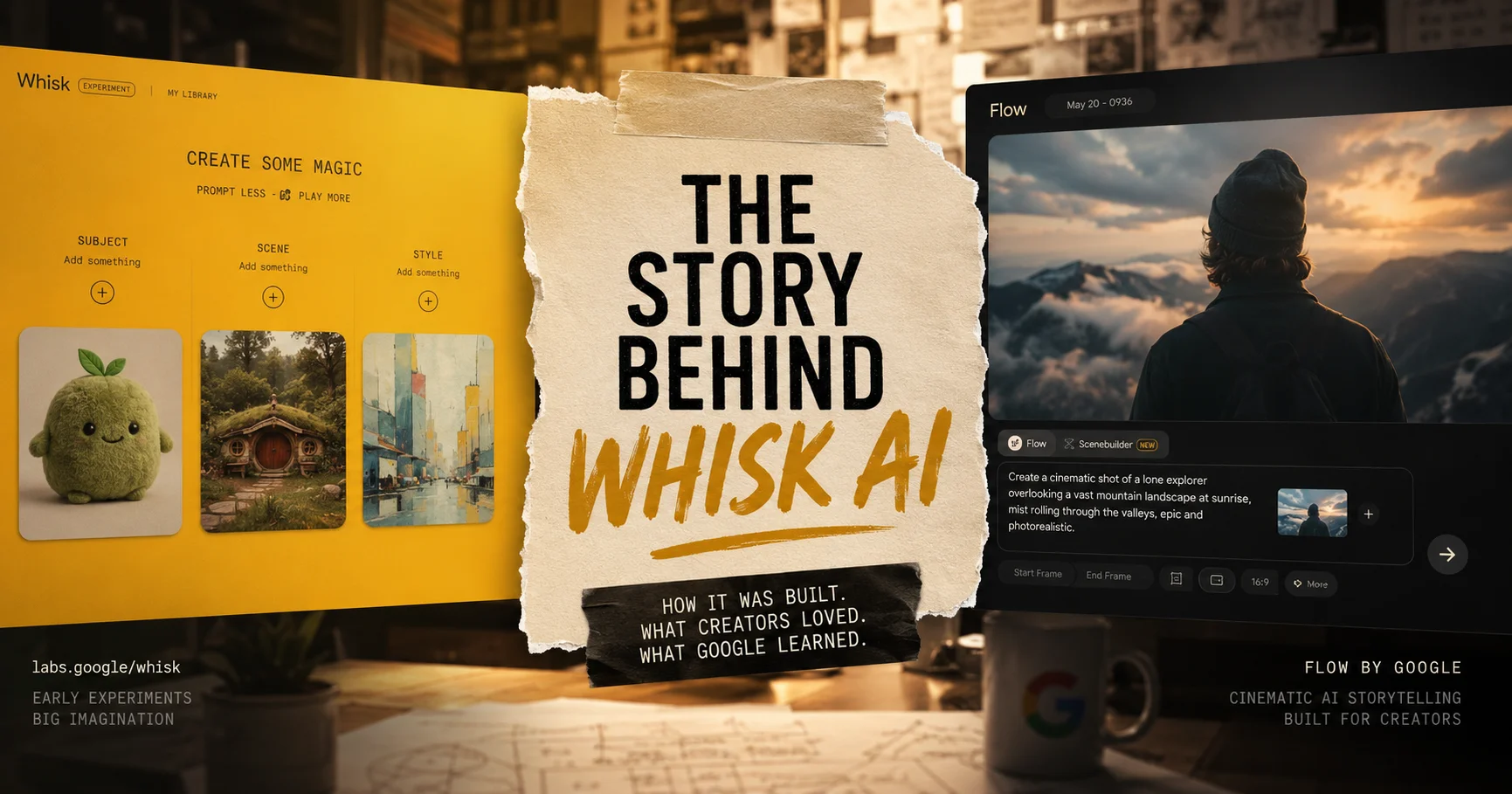
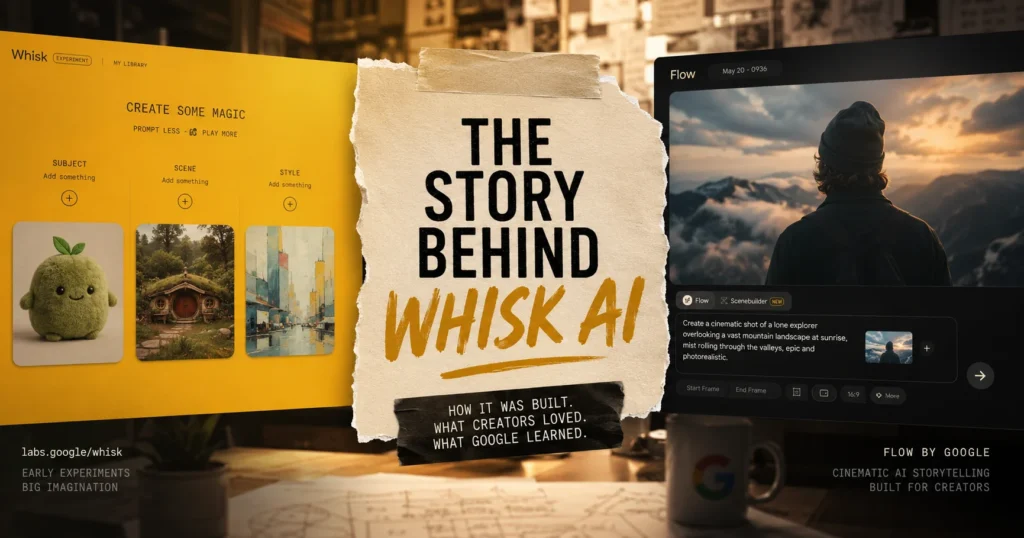
The insight was elegant: instead of making people learn to talk to the AI, make the AI understand images. Use images as prompts. Instead of writing detailed text prompts, users uploaded three reference images for subject, scene and style, and the system used Gemini to automatically write the caption and Imagen 3 to produce the final result.
Under the hood, Gemini would look at your three images, understand what each one represented, generate a detailed text description of the synthesis you were going for — and then pass that to Imagen 3, which produced the actual output. The user never saw the prompt. They just saw the result.
That’s why Whisk felt “prompt-free,” even though smart captions were still happening behind the scenes.
Chapter 2 — What Creators Actually Said About Using Whisk
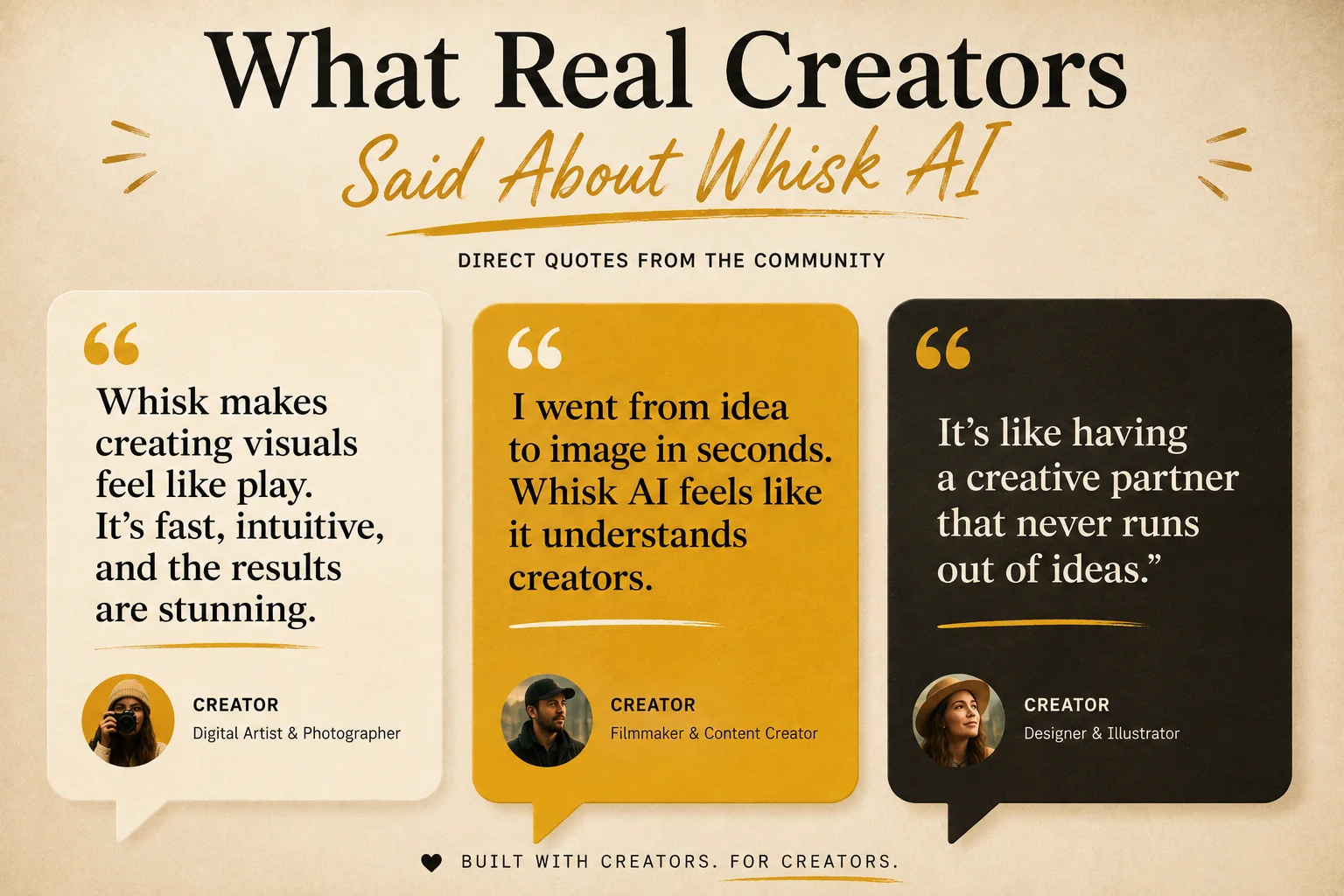
The most honest picture of what Whisk was comes not from Google’s press releases but from what creators said about using it.
“Whisk AI has completely changed the way I approach concept art. Being able to remix images into fresh compositions is such a time-saver compared to just working from prompts — it actually makes the creative process feel fun again.”
“The subject-scene-style system in Whisk AI makes prototyping a breeze. It’s so much more visual and hands-on than starting from a blank prompt — I feel like I’m actually shaping the ideas rather than guessing at them.”
“I love using Whisk AI for exploring ideas quickly. I can try out a bunch of different looks in just minutes, and it gives me such a clear sense of direction before diving into production — it makes the whole process feel way less stressful.”
What’s striking about these quotes is that they’re not about the outputs. They’re about the process — about how using Whisk changed how creation felt. “Fun.” “Hands-on.” “Less stressful.” These aren’t words people typically use to describe their experience with an AI tool. They’re words people use to describe a creative practice they enjoy.
That’s what Whisk got right that most AI tools missed: it didn’t replace the creative act, it made the creative act more accessible and more enjoyable. The tool felt like a collaborator, not a vending machine.
“Whisk is an approachable visual ideation platform for creators.” — Google Labs product lead
“Whisk made it painless to mock up a holiday card set for my small shop.” — Lena Park, Etsy seller
The user base Whisk attracted was broader than most AI tools. It wasn’t just technical early adopters — it was Etsy sellers, students, concept artists, social media managers. Whisk AI shines when you want creative projects inspiration without learning prompts.
Chapter 3 — How Whisk Grew and What Google Added
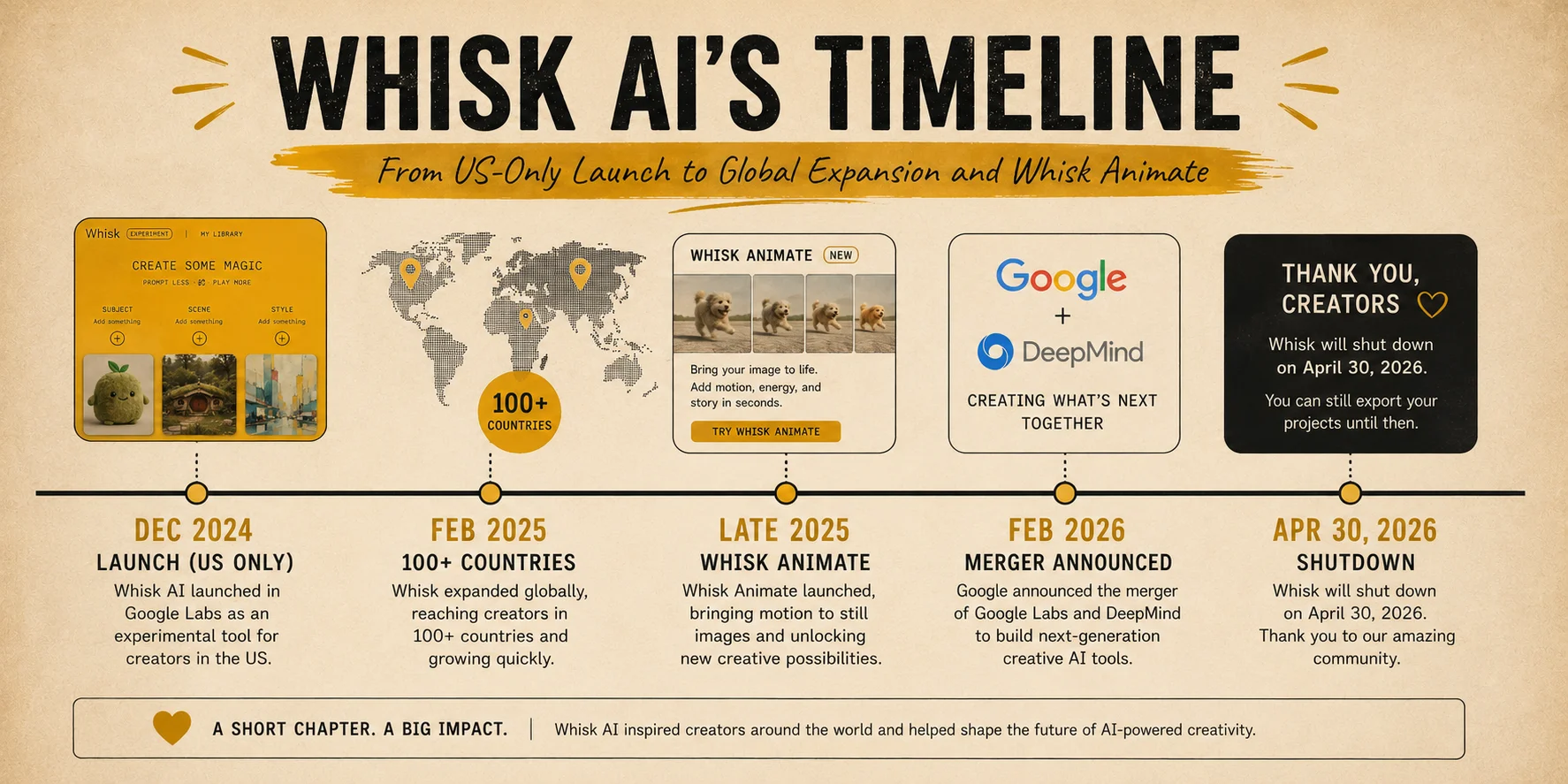
Whisk launched in December 2024 in the United States only. In February 2025, the company expanded the service to over one hundred countries, bringing the tool outside the United States and accelerating adoption among creators and marketers.
The international expansion was significant. Creators in Pakistan, India, the UAE, and across South Asia got access during this wave — and the adoption numbers climbed sharply. The tool worked the same everywhere: three images in, creative synthesis out. No translation needed. No cultural adaptation required. Visual prompting turned out to be genuinely universal.
Google added new capabilities along the way. The “Whisk Animate” feature arrived, which used another Google model (Veo) to turn Whisk-generated images into short videos. This made Whisk feel less like a novelty and more like a real creative pipeline.
Whisk Animate was the moment Whisk moved from “interesting image toy” to “genuine creative workflow.” Now you could build a character using the Subject/Scene/Style system, generate an image of them in a specific environment, and then animate that image into a short video clip — all inside the same tool, without needing any video production knowledge.
The pipeline looked like this: Character reference photo (Subject) + Location photo (Scene) + Art style reference (Style) → Whisk image → Whisk Animate video clip. This was a meaningful creative production workflow — simplified to three uploads and two clicks.
Chapter 4 — The Announcement That Changed Everything
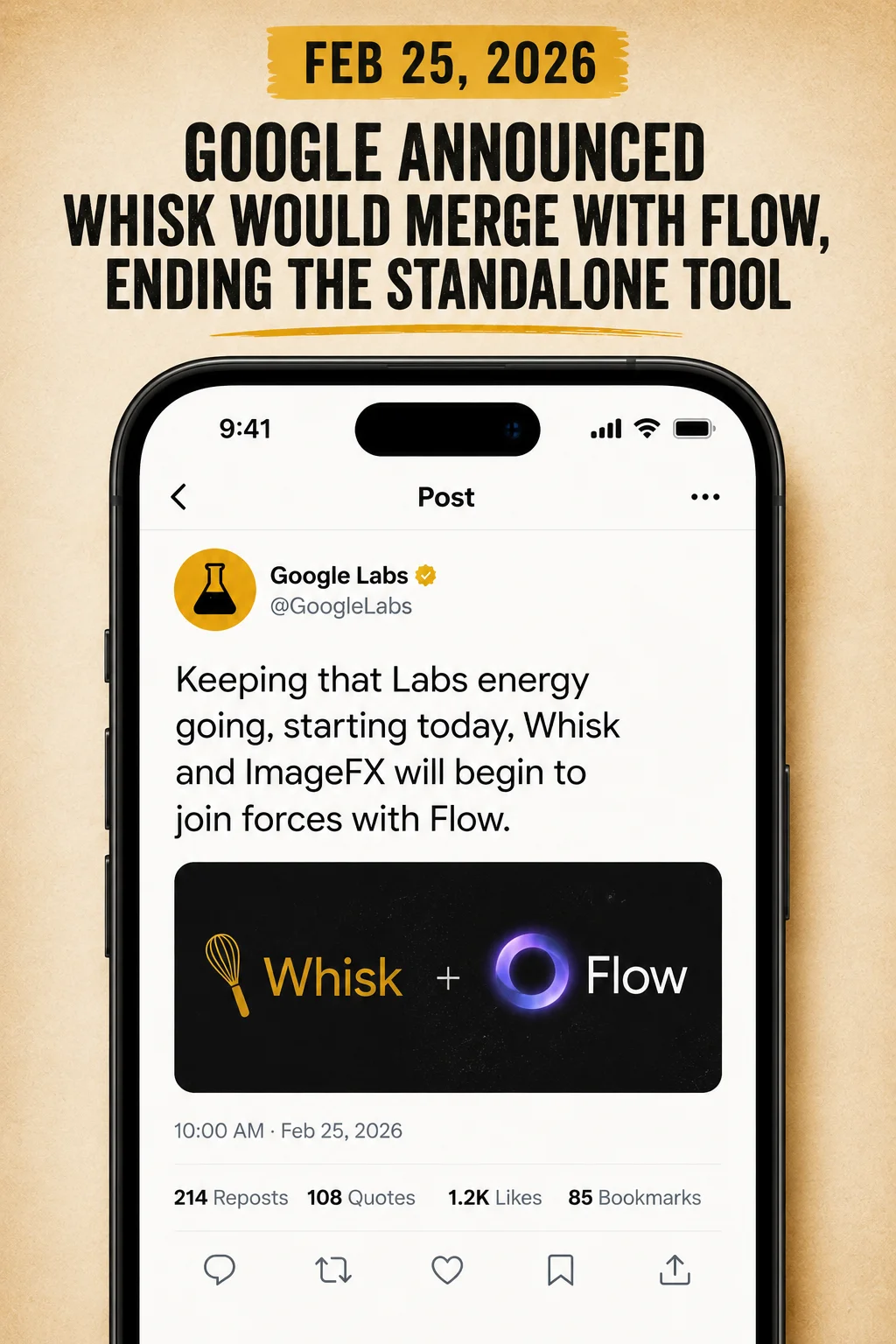
On February 25, 2026, Google quietly announced that Whisk would be shutting down. The reasoning was consistent with how Google Labs typically works: the experiment had run its course, and the underlying technology was moving into other Google products rather than continuing as a standalone tool.
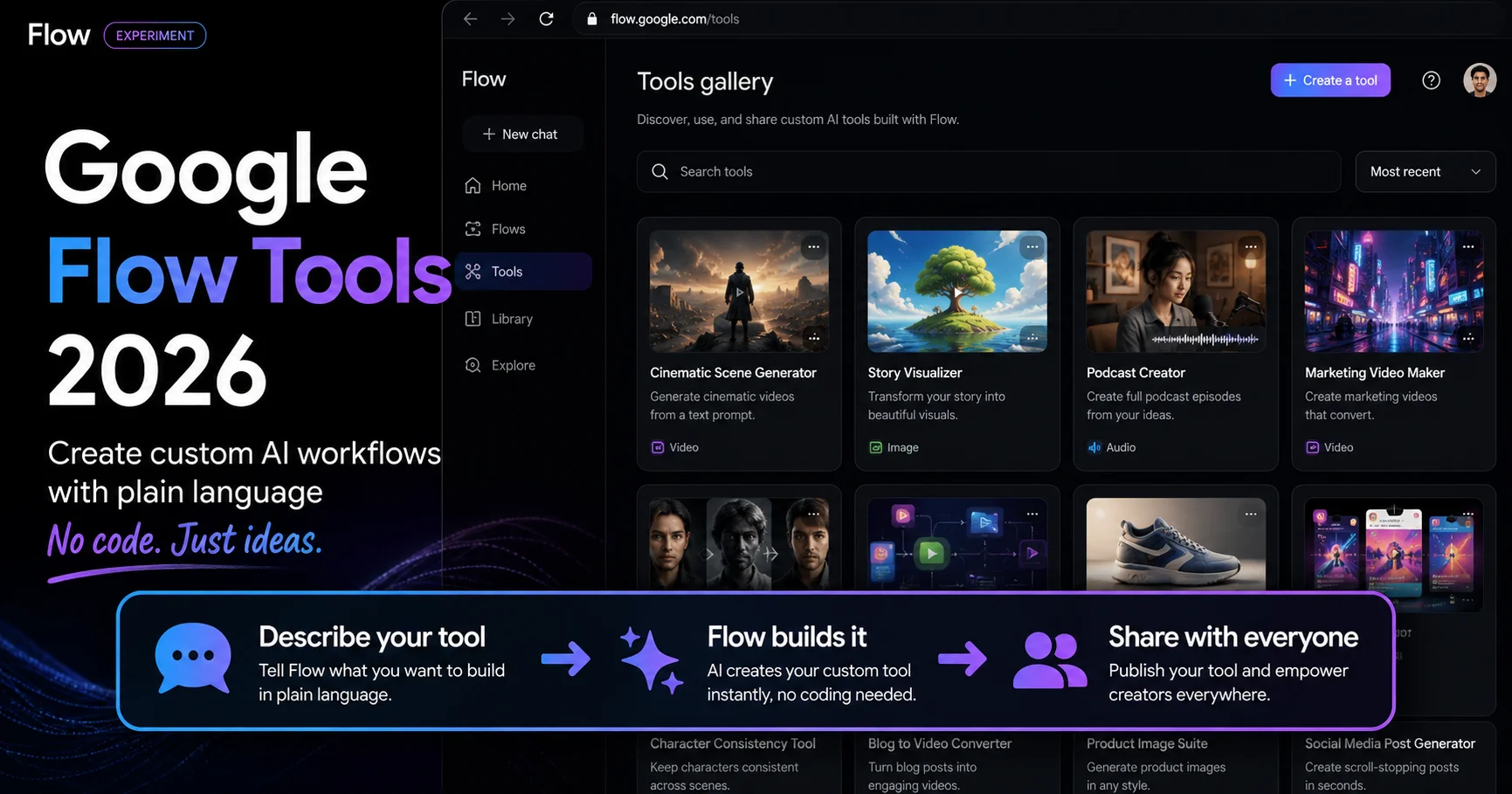
The exact words from Google Labs at the time: “As Google’s home for experimental AI innovation, what excites us most is trying new things, learning, and exploring revolutionary ways to bring the power of our AI models directly to you. Keeping that Labs energy going, starting today, Whisk and ImageFX will begin to join forces with Flow.”
The timeline that followed was announced clearly:
- February 25, 2026: Merger announced. Migration tools opened. Users could begin transferring their Whisk assets to Flow.
- Early April 2026: New image generation in standalone Whisk disabled. Existing images still viewable.
- April 30, 2026: Whisk fully shut down. The URL stopped working. All images not previously transferred or downloaded were permanently deleted.
For users who had built creative workflows around Whisk, the shutdown came as a real disappointment.
The frustration was understandable — but the reasoning was sound. Whisk had always been an experiment. The shutdown therefore comes after sixteen months of public testing: a lifecycle consistent with the experimental nature of Labs products, not a product failure.
Chapter 5 — What Was Lost and What Wasn’t
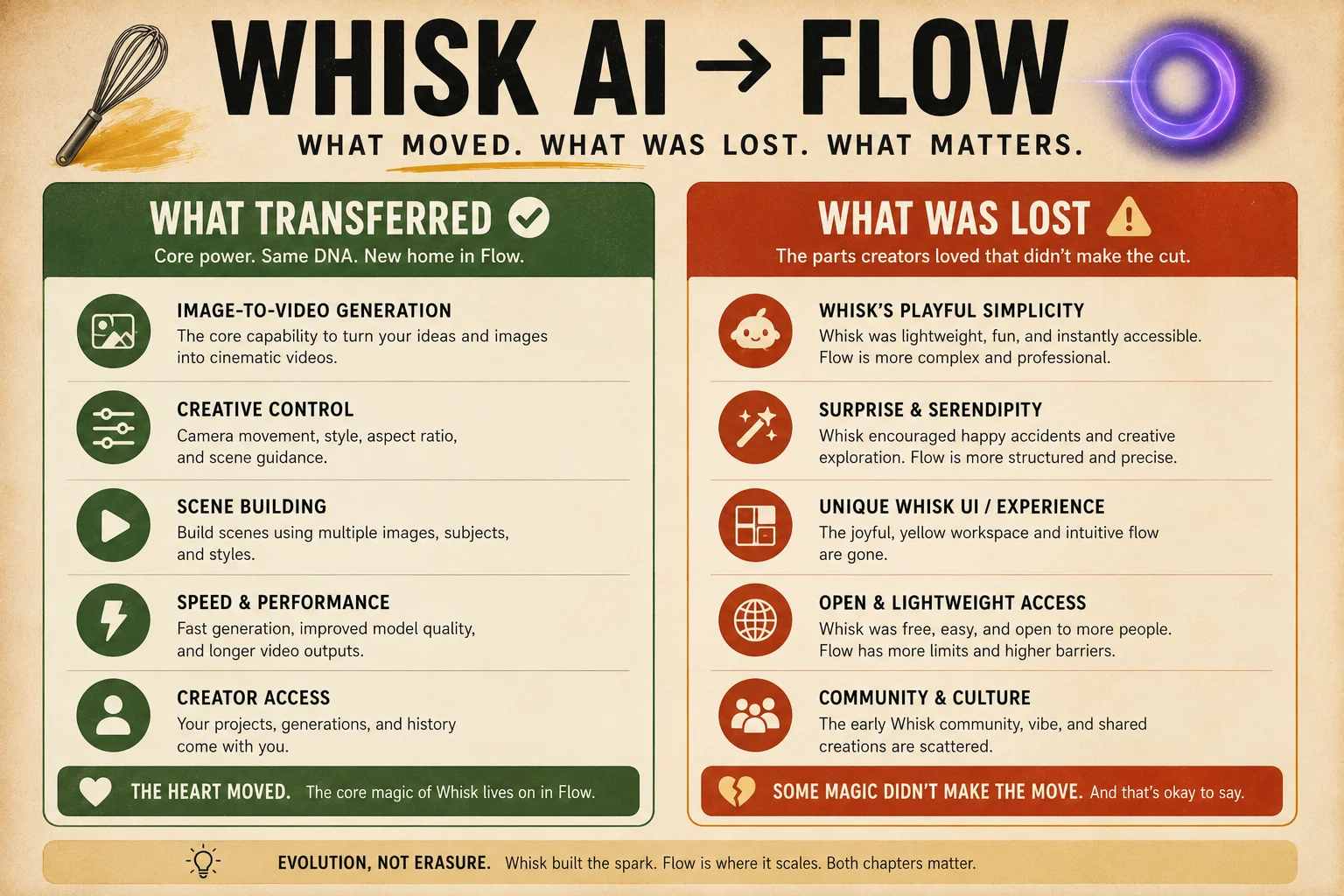
Google’s official line was that “the best capabilities from Whisk are moving directly into Flow.” But “the best capabilities” is doing a lot of heavy lifting in that sentence.
What genuinely transferred:
The Ingredients concept — using reference images to guide generation — survived and actually expanded inside Google Flow AI. The Ingredients to Video with Audio workflow, where you upload a Subject, a Scene, and a Style, is Whisk’s core concept extended to video generation with synchronized audio. In that sense, the most important idea Whisk had didn’t die — it grew.
The underlying models improved dramatically. The underlying AI models are Veo 3.1 for generative video with strong prompt adherence and cinematic quality, Imagen 4 for text-to-image, Nano Banana Pro for advanced image editing functions, and Gemini 3.1 Pro for parsing natural-language prompts. Every model powering Flow is a significant upgrade from what powered Whisk.
What was genuinely lost:
The Subject/Scene/Style workflow as a dedicated three-panel interface is gone. Flow doesn’t have Whisk’s dedicated three-panel interface for uploading separate reference images. You can still use images as references in Flow, but the structured subject-scene-style paradigm — the entire reason many creators loved Whisk — doesn’t exist as a native workflow.
Shareable recipes are gone. You can’t send someone a remix link that lets them tweak your image with one click. Flow has collaboration features, but not the frictionless “recipe sharing” that made Whisk great for creative teams passing ideas back and forth.
The simplicity barrier went up. Whisk was deliberately simple — upload images, click generate. Flow is more powerful but more complex.
A Google Support thread from March 2026 captures the frustration directly: users directly asked Google to keep the subject/scene/style upload feature. One user wrote: “I knew they would limit it.”
The honest summary: what moved was the concept. What didn’t move was the simplicity. Flow is better than Whisk in almost every measurable way — better models, more features, video capability. But it’s also harder to use for the specific thing that made Whisk special.
Chapter 6 — What Google Learned (And Built Into Flow)
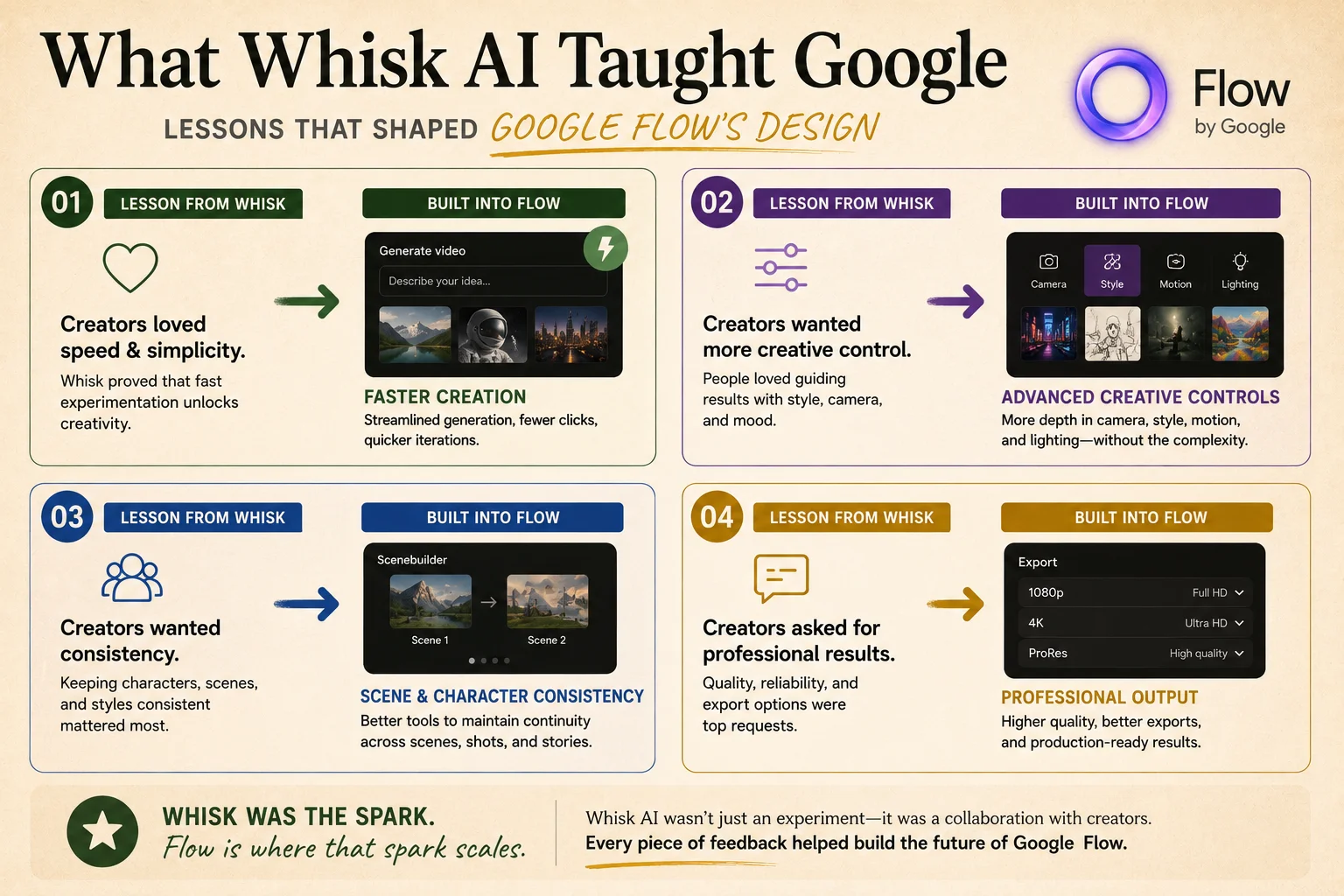
The feedback from Whisk’s 16-month run directly shaped Google Flow’s development. Here are the most visible lessons:
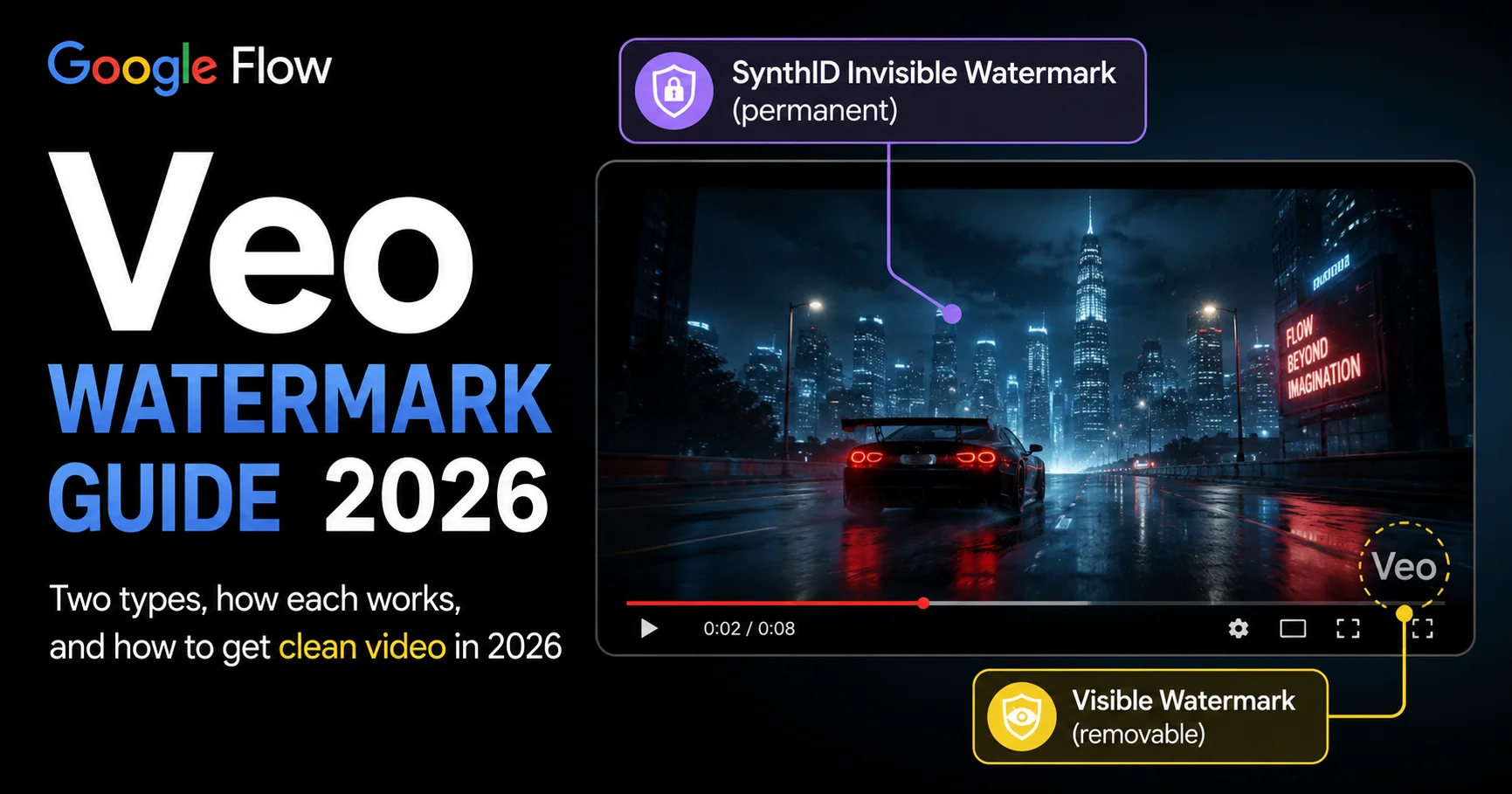
Lesson 1: Creators want audio without separate steps. Whisk Animate produced silent video clips. Creators consistently asked for sound. Veo 3.1 in Flow was built with native synchronized audio from day one — the invisible SynthID watermark, the same digital signature system already used in Whisk, is applied to all generated content.
Lesson 2: Character consistency matters more than prompt flexibility. Creators using Whisk for character work repeatedly struggled with the character looking different between generations. Flow’s Ingredients system, the @me referencing system, and Gemini Avatar are all direct responses to this feedback.
Lesson 3: Workflow continuity beats standalone tools. Whisk’s most frustrated users were those who loved the tool but had to export their results and take them into another platform for video or audio work. Flow was explicitly designed to eliminate this friction — image generation, video generation, audio, and editing all in one workspace.
Lesson 4: Simple tools create unexpected creative behavior. Because Whisk was so easy to use, people used it in ways Google didn’t fully predict — for concept art, for product mockups, for storyboarding, for children’s book illustrations. This taught Google’s teams that the most valuable creative tools aren’t the ones that do the most, but the ones that eliminate the most friction. Flow’s free unlimited image generation tier reflects this learning directly.
Lesson 5: The community is the feature. Whisk attracted a community of users who shared their recipes, their outputs, and their creative discoveries. Shareable recipes let users send a remix link that let others tweak their image with one click. Flow TV — the built-in gallery where users can see other creators’ prompts and outputs — is the direct evolution of this community aspect.
Chapter 7 — How Creators Adapted (The Workarounds That Work)
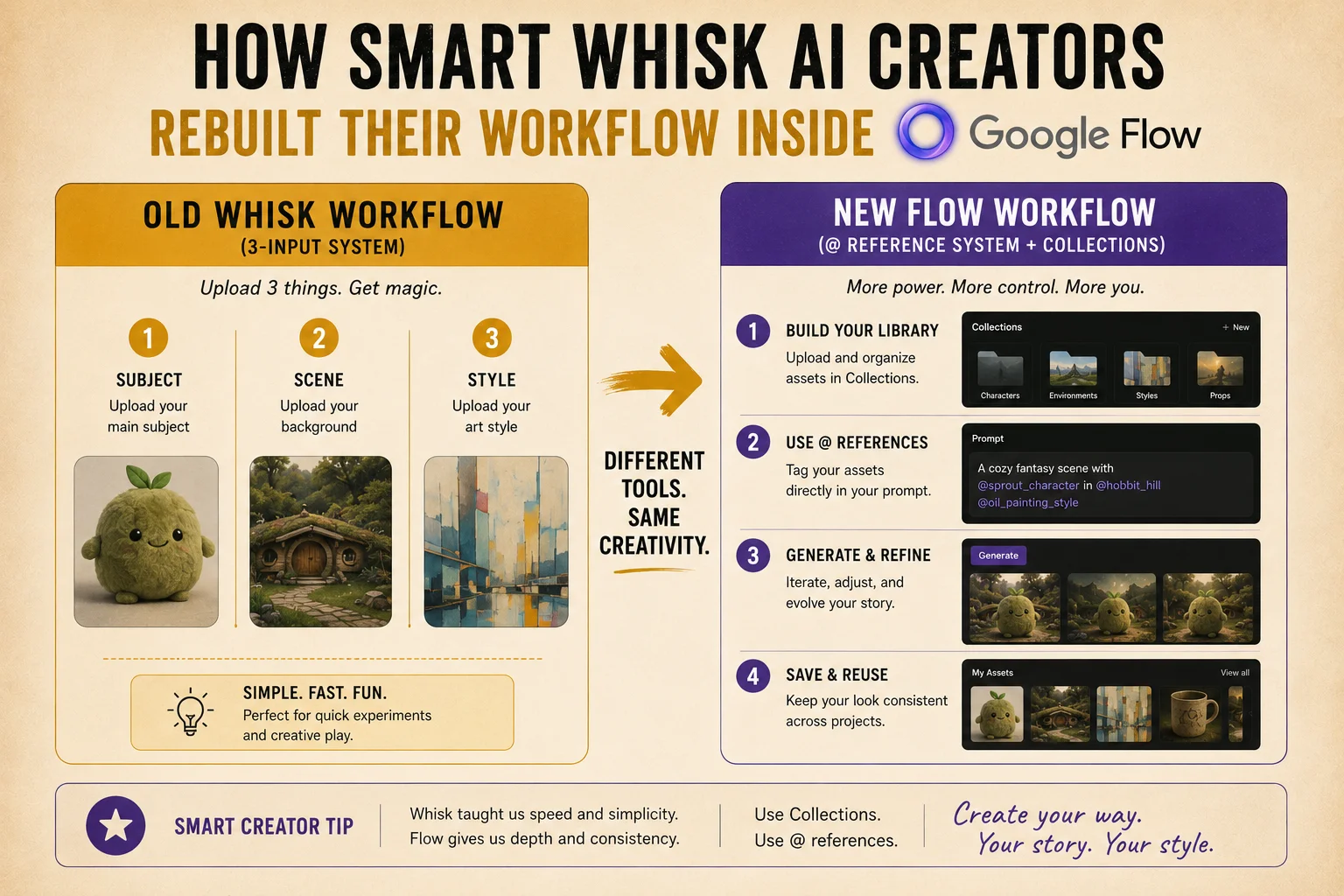
The creators who are ahead right now aren’t the ones who found the “best Whisk alternative.” They’re the ones who understood that the subject/scene/style paradigm was a workflow, not a feature — and rebuilt that workflow using Flow’s different toolset.
Here’s what that rebuilding looks like in practice:
Using Flow’s “@” reference system: Instead of uploading images to dedicated subject/scene/style slots, they tag and organize assets in Flow’s library and reference them inline using the @ symbol. It’s not the same three-panel interface, but it achieves a similar result once you’ve organized your asset library.
Building custom collections as “recipe equivalents”: Flow’s Collections feature lets you group related assets together. Smart creators are building themed collections — “Brand Style References,” “Product Shots,” “Scene Backgrounds” — that replicate the organizational logic of Whisk’s three-panel system.
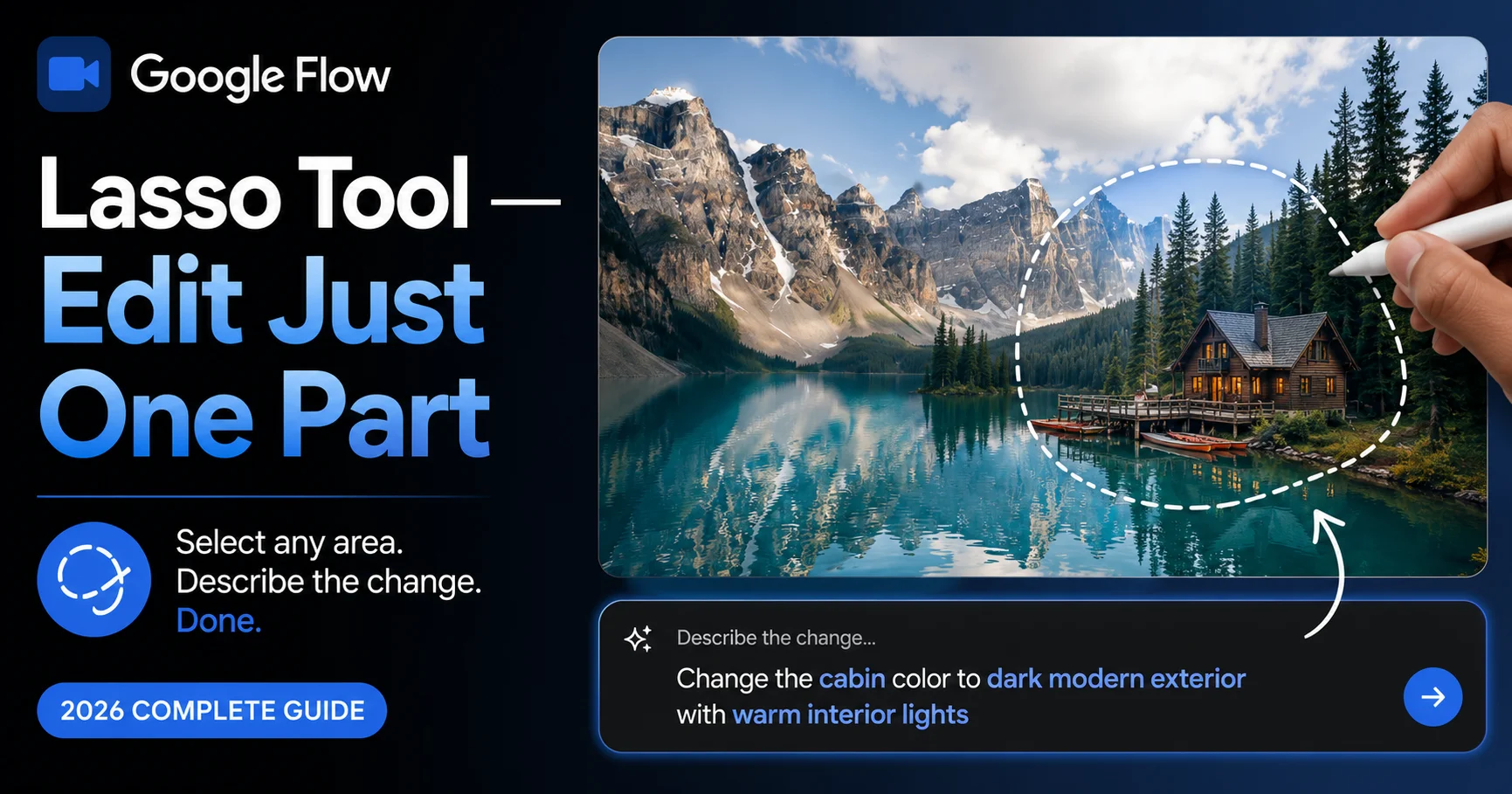
Using the Lasso Tool for what Whisk Remix did: The Lasso Tool lets you select a specific area of an image and describe exactly what should change there — a more precise version of Whisk’s ability to iterate on one element of a generated image.
Using Gemini Avatar for character consistency: Gemini Avatar lets you scan your own face and voice once, then use @me in any generation prompt to put yourself in the scene — a more powerful version of using your own photo as a Subject ingredient in Whisk.
For the specific steps of recreating a Whisk-style workflow in Flow AI, our Whisk AI to Flow AI migration guide covers the complete translation in detail.
Chapter 8 — Google’s Behind the Scenes: Building with AI at I/O 2026
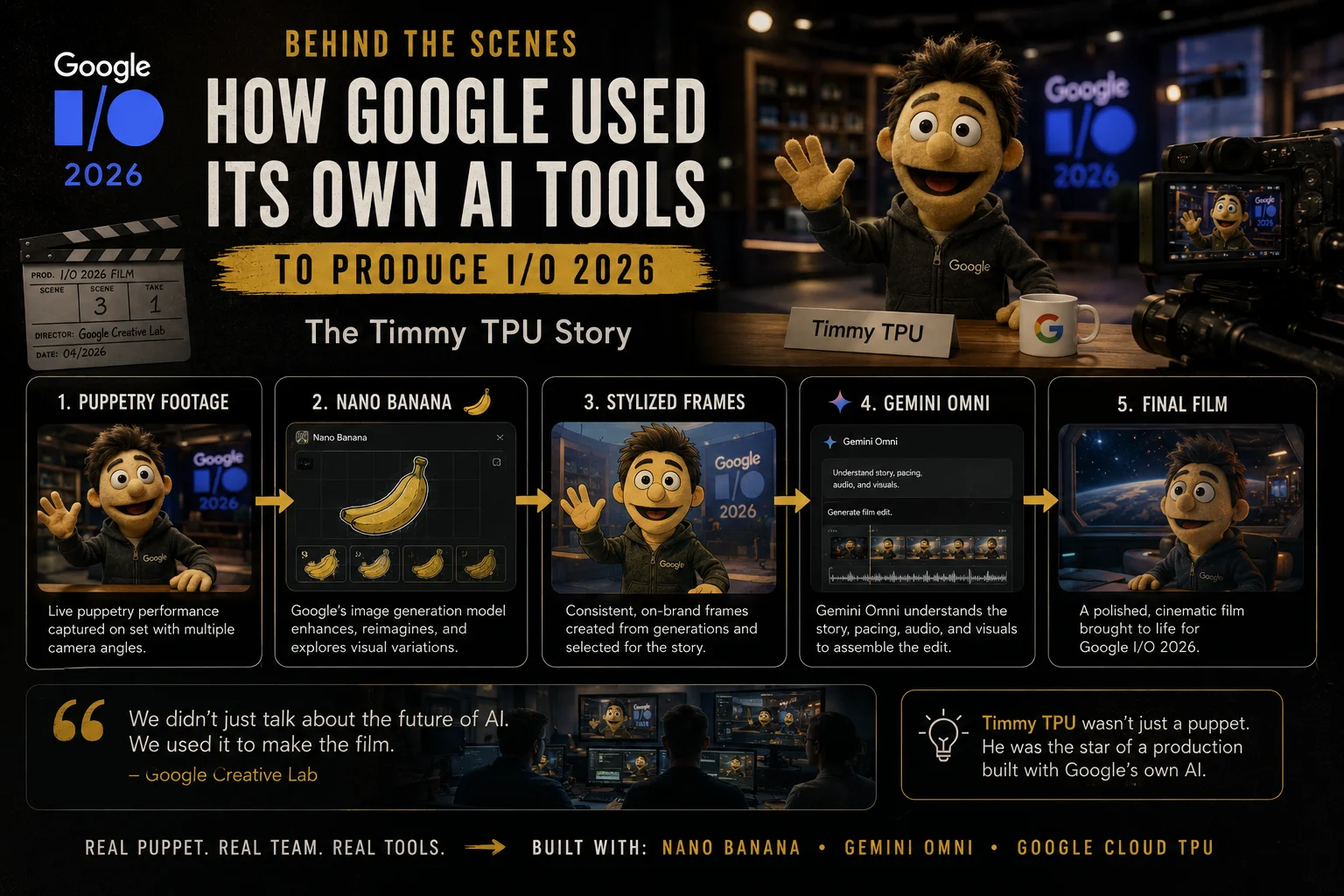
The most revealing look at how Google’s own teams use the tools they’ve built came at Google I/O 2026 itself.
We created a short film starring a bunch of TPUs getting ready to do some heavy lifting for I/O 2026. This project started with a question: Could we make an animated film with the simplest materials — cardboard and markers — and then use AI to bring it to life? We worked with director Laurie Rowan and Nexus Studios to blend puppets, traditional animation and AI — keeping human craft and artistry right at the heart of “TPU Training Day” (also known as “Timmy TPU”). First, we captured character performances through puppetry and simple 3D animation. This gave us full control over framing and camera movement. We then used Nano Banana to generate stylized first frames from that raw footage.
This production process — physical puppetry, AI stylization, human editorial judgment — is a direct expression of what Whisk’s creators always said they valued: AI as collaborator, not replacement.
It’s both a strange and exciting moment to be building anything. We’re living through an incredible shift where AI tools are getting better each month, effectively rewriting the rules of what we can create. This year, we challenged ourselves to use the same AI we were putting on stage to out-innovate, out-create and out-efficient ourselves. We moved faster than ever and prototyped in real-time — blending human artistry with experimental technology. But the reward is showing how these tools unlock creativity and offload the mundane tasks, giving the team their best hours back for the parts they are uniquely suited to do.
That philosophy — give humans their best hours back — is what Whisk was always trying to do. It’s what Flow continues to build toward.
Chapter 9 — What Comes Next: Google Pics and the Post-Whisk World
Among the 100+ announcements at Google I/O 2026, Google introduced Google Pics — a new image creation and editing tool built on their latest Nano Banana model. It’s positioned as a consumer-friendly image tool with “the creative controls you want.” Sound familiar? It should. That’s essentially what Whisk was — a simple, accessible image creation tool for non-experts.
The arrival of Google Pics suggests that Google learned two things from Whisk’s 16 months:
First, the audience for simple, visual-first AI creation is real and large. Whisk proved this. The millions of images generated in Whisk’s lifetime showed that non-expert creators would use AI tools enthusiastically if the friction was low enough.
Second, that audience is different from the audience for Flow’s full professional toolset. Flow is powerful but complex. The AI image landscape is moving fast. Tools launch, evolve, and get absorbed into larger platforms on a quarterly basis. Google appears to be building parallel products for parallel audiences — Flow for professional creative workflows, Google Pics for accessible everyday creation.
If this pattern continues, the spirit of what Whisk was — simple, visual, prompt-free, delightful — will live on in consumer-facing tools while Flow evolves into an increasingly professional production environment.
What Whisk AI Interview Story Tells Us About Google Labs
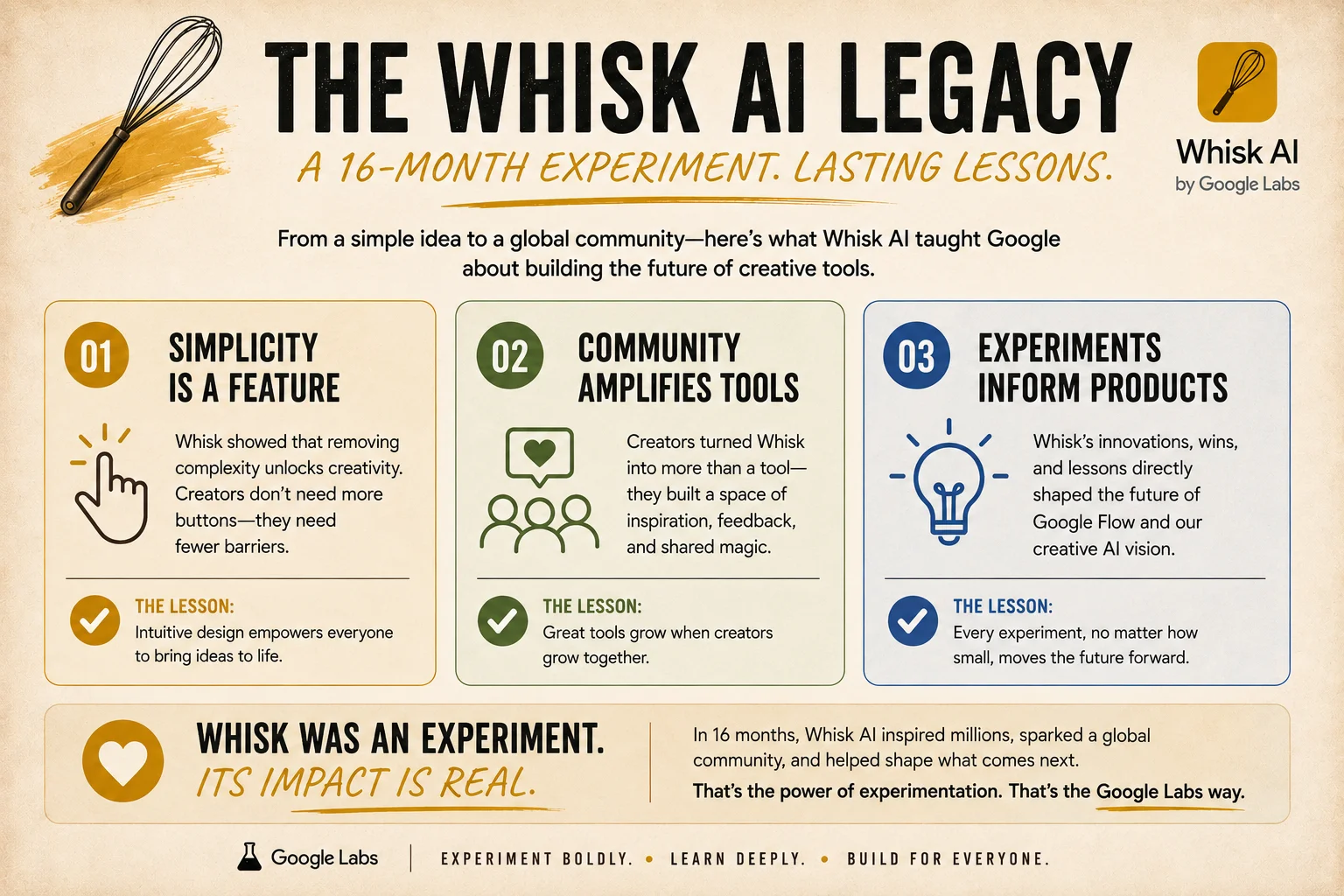
The full arc of Whisk AI is, in the end, a story about how Google Labs is supposed to work.
An idea gets built. Real people use it. They use it in ways the team didn’t expect. The team learns from those unexpected uses. The experiment ends, but the learning doesn’t — it gets built into the next product.
The shutdown therefore comes after sixteen months of public testing: a lifecycle consistent with the experimental nature of Labs products, not a product failure.
Whisk wasn’t a failure. It was a success by the specific measure that Labs uses: it generated real creative output, attracted a real community, produced real feedback, and informed a better product. Everything that Google Flow AI does well today — the Ingredients concept, the focus on character consistency, the free image generation tier, the drive toward audio integration — has roots in what Whisk’s users showed was important.
The tool is gone. The learning lives in everything that replaced it.
Frequently Asked Questions
Q: Why did Google shut down Whisk AI?
The shutdown comes after sixteen months of public testing: a lifecycle consistent with the experimental nature of Labs products. The underlying technology was moving into other Google products rather than continuing as a standalone tool. It wasn’t a failure — it was an experiment that completed its intended cycle.
Q: Who built Google Whisk AI?
Whisk was built by the Google Labs team, with the underlying technology provided by Google DeepMind (Imagen 3 for image generation) and Google’s Gemini team (for the natural language understanding that made the prompt-free system work).
Q: What did creators love most about Whisk AI?
The subject-scene-style system that made prototyping feel more visual and hands-on than starting from a blank prompt. Creators described the process as “fun,” “less stressful,” and genuinely different from working with text-only generators.
Q: Is there an interview with the Whisk AI team?
Google Labs hasn’t published a traditional sit-down interview with the Whisk team. The most revealing behind-the-scenes content is Google’s account of how they used their own AI tools at I/O 2026, and Google’s blog posts from the February 2026 merger announcement.
Q: What replaced Whisk AI?
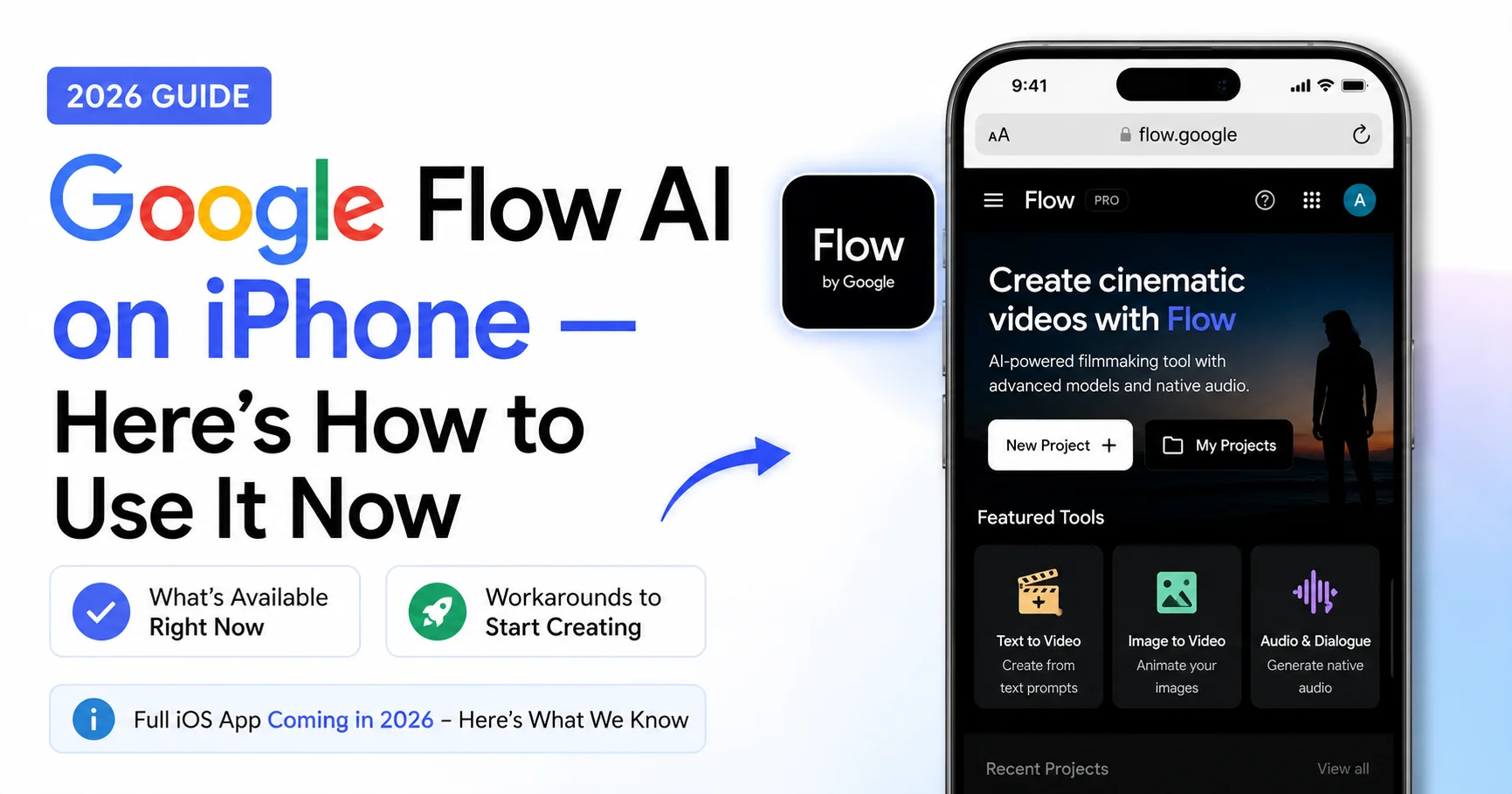
Google Flow AI at flow.google is the official replacement. The Ingredients workflow (Subject + Scene + Style) continues inside Flow’s creation interface, with video generation and audio capabilities added.
Q: Can I still use Whisk AI in 2026?
No. The standalone Google Whisk AI tool has shut down as of April 30, 2026. All Whisk AI features are now inside Google Flow AI at flow.google. Our Whisk AI migration guide covers the complete transition.
Q: What is Google Pics?
Google Pics is a new image creation and editing tool announced at Google I/O 2026, built on the Nano Banana model. It’s positioned as a consumer-friendly image tool with simple creative controls — spiritually similar to what Whisk AI was for non-expert users.
Final Thoughts — Whisk Was a Beginning, Not an Ending
The story of Whisk AI is ultimately a story about what’s possible when a large technology company gives itself permission to experiment openly, learn publicly, and build iteratively based on what real people actually do.
Whisk wasn’t the most powerful AI image tool when it launched. It wasn’t the highest quality. It wasn’t the most featured. But it was the most genuinely delightful — and that quality turned out to be worth more than any benchmark score.
Whisk AI is gone. But the creative approach it pioneered — visual prompting, image-based remixing, zero-prompt creativity — is very much alive.
It lives inside Google Flow AI. It lives in the Ingredients to Video workflow. It lives in the community of creators who learned to think about AI generation differently because of one simple tool that said: you don’t need to learn a new language to be creative.
For everything about where the Whisk AI workflow lives today — visit WhiskAILabs and explore the complete Google Flow AI guide library.
Related Articles on WhiskAILabs:
- Home — WhiskAILabs.net
- What Is Google Whisk AI? Complete Guide
- Whisk AI Shutdown 2026 — Full Story
- Whisk AI to Flow AI Migration Guide
- What Is Google Flow AI?
- Ingredients to Video with Audio Guide
- Gemini Avatar in Google Flow AI
- Google Flow AI Lasso Tool Guide
- Whisk AI Alternatives 2026
- Whisk AI Prompts — 100+ Best
- Google Flow AI Review 2026
- Google Flow AI Filmmaking Tool Guide
- Pakistan Access Guide for Google AI
- News & Updates — WhiskAILabs
Official External Sources: