
AI Tools Experiments at WhiskAILabs
What Are AI Tools Experiments?
AI is evolving rapidly, but understanding it doesn’t require a technical background. At WhiskAILabs, our AI tools experiments are designed to make artificial intelligence practical, creative, and accessible for everyone.
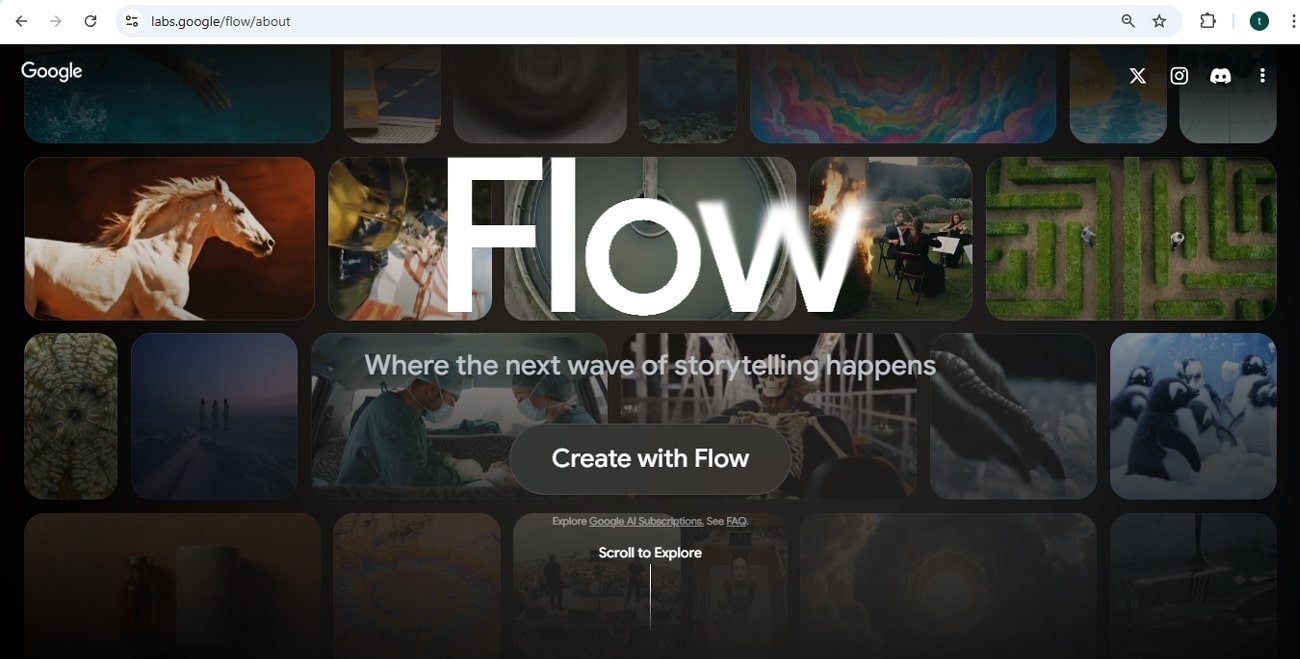
Instead of focusing only on theory, we encourage real-world testing using modern Google technologies like Google Whisk AI, Google ImageFX, Google Flow, and tools from
Google Labs Official Page
Whether you are a content creator, student, marketer, or designer, these AI tools experiments help you move from curiosity to confident execution.
Why Hands-On AI Experimentation Matters
Modern AI systems are powerful, but results depend on how effectively you communicate with them. Prompt clarity, structure, and context directly influence output quality.
Hands-on experimentation allows you to:
Discover patterns in AI responses
Improve prompt writing skills
Reduce random trial and error
Build structured creative workflows
If you want to improve your prompting skills, you should also explore Writing Prompts for Whisk AI where we explain structured prompt strategies in detail.
Leading research communities like
Google AI Research
,
Hugging Face
and
Kaggle AI Resources
Resources emphasize practical experimentation as the fastest way to learn artificial intelligence.
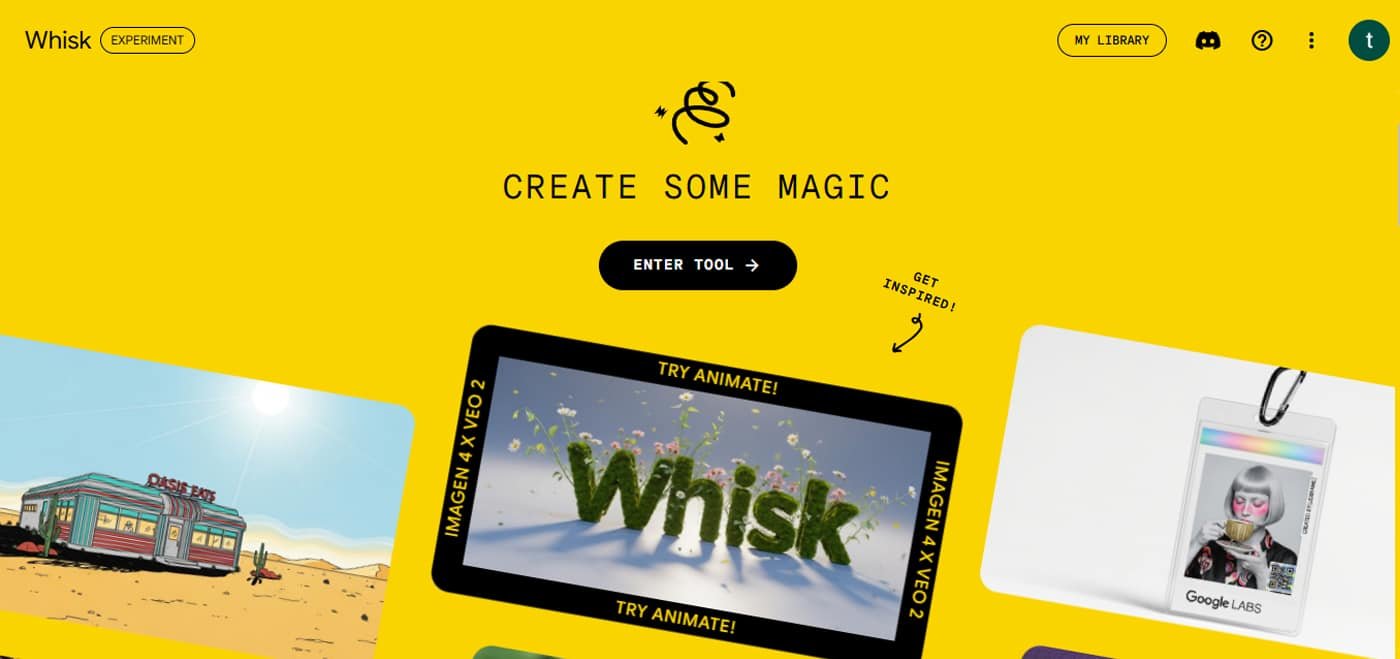
AI Tools Experiments with Google Whisk AI
One of the core tools we explore is Google Whisk AI.
If you are new to this tool, we recommend reading our complete breakdown in
Complete Google Whisk AI Guide
before starting deep experimentation.
Photorealistic Image Creation
Google Whisk AI focuses on generating high-quality, realistic visuals. During AI tools experiments, users test:
Natural lighting adjustments
Shadow accuracy
Texture realism
Depth and perspective
Color balance
For example, changing a prompt from “soft indoor lighting” to “golden hour cinematic lighting” dramatically changes image tone. These structured tests help you understand AI interpretation better.
Transform Ideas into Visuals
With Google Whisk AI, you can convert:
Product concepts
Landscapes
Abstract ideas
Social media visuals
Even without advanced design skills, beginners can produce professional results.
For advanced prompting strategies, again, check
Writing Prompts for Whisk AI
to refine your structure.
Creative Variations and Prompt Testing
AI tools experiments become powerful when you generate multiple variations.
Best practice:
Change one variable at a time
Compare emotional tone
Adjust environmental details
Observe consistency patterns
This systematic method builds real expertise instead of random testing.
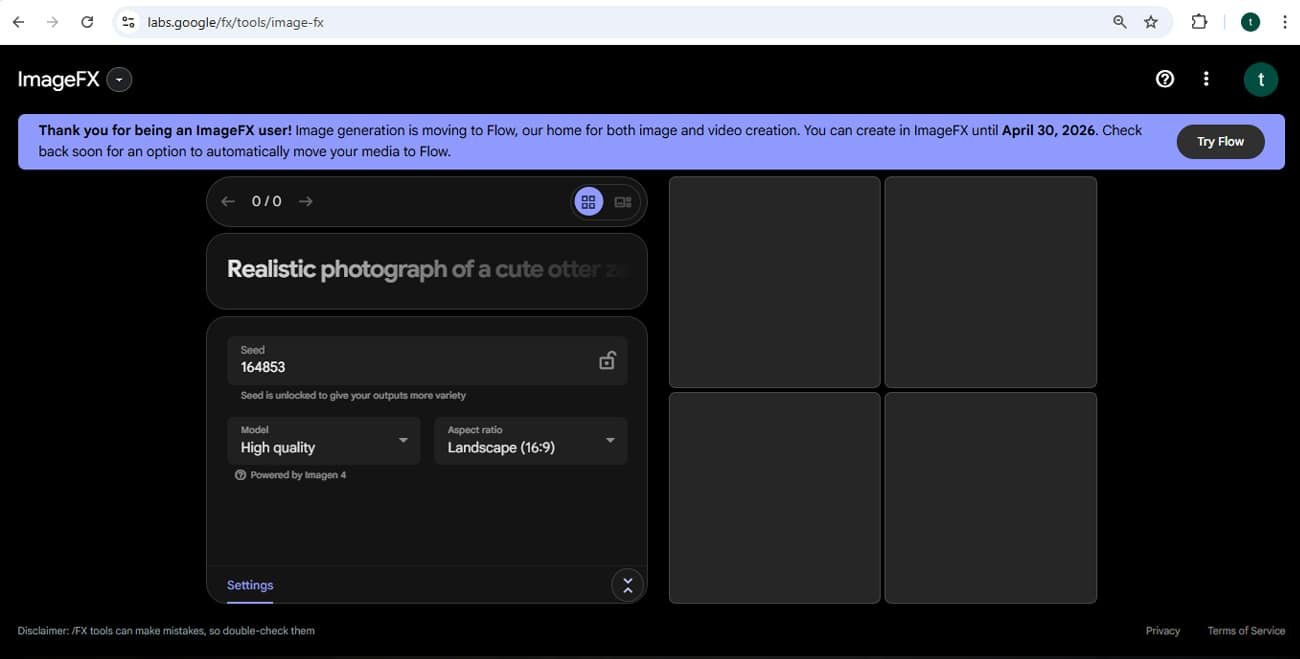
AI Tools Experiments with Google ImageFX
Another powerful tool is Google ImageFX.
If you want a detailed step-by-step tutorial, visit Google ImageFX Tutorial on our website.
ImageFX focuses on:
Accuracy
Refinement
Style consistency
Visual corrections
For branding and professional projects, consistency is essential.
AI tools experiments with ImageFX
help maintain unified lighting, color grading, and visual tone across multiple images.
AI Tools Experiments with Google Flow
Creative workflows need structure. That’s where Google Flow becomes essential.
You can explore structured planning methods in
AI Visual Planning with Google Flow
Google Flow allows you to:
Create storyboards
Organize AI-generated scenes
Maintain narrative consistency
Combine multiple creative outputs
For marketers and content creators, this structured workflow increases efficiency and reduces chaos.
Early Access AI Tools Experiments from Google Labs
Through Google Labs Official Page, users sometimes gain access to experimental AI tools before public release.
Early access experimentation helps you:
Stay ahead of trends
Understand upcoming AI capabilities
Adapt to evolving technology
Build future-ready skills
Staying updated with innovation from Google AI Research, Hugging Face, and Kaggle AI Resources ensures your learning remains aligned with global AI development.
Step-by-Step Guide: How to Use AI Tools Experiments Effectively
To maximize results:
Step 1: Start Simple
Begin with a clear and focused idea.
Step 2: Add Context
Include mood, lighting, style, and emotional tone.
Step 3: Modify One Element at a Time
Avoid changing everything at once.
Step 4: Compare Outputs
Analyze differences carefully.
Step 5: Combine Tools
Use Google Whisk AI for generation, Google ImageFX for refinement, and Google Flow for workflow organization.
Step 6: Keep Learning
Study structured methods inside Writing Prompts for Whisk AI and Complete Google Whisk AI Guide.
Responsible and Ethical AI Use
All AI tools experiments at WhiskAILabs follow responsible usage principles:
Respect copyright rules
Avoid misleading content
Follow ethical AI guidelines
Treat AI-generated visuals as creative outputs, not verified facts
We encourage readers to review updates and research insights from Google AI Research to stay aligned with ethical AI development standards.
Frequently Asked Questions
Are AI tools experiments beginner-friendly?
Yes. Our structured content ensures easy learning progression.
Can businesses benefit from AI tools experiments?
Absolutely. AI experimentation speeds up content production and visual strategy development.
Where can I learn advanced prompt strategies?
Start with Writing Prompts for Whisk AI and expand using research platforms like Hugging Face.
Ready to Explore AI Tools Experiments?
Start experimenting today with Google Whisk AI, ImageFX, Flow, and Google Labs tools. Write simple prompts, test creative ideas, and watch your concepts come to life instantly through powerful AI experimentation.

Content on WhiskAILabs is created and reviewed by people who actively test AI image tools in real creative workflows.
Get Started free All tools with WhiskAILabs.
-
© 2026 WhiskAILabs.net Independent educational resource. Not affiliated with Google or Google Labs.